The 2026 Section 232 Rules, Explained
Since April 6, 2026, Section 232 tariffs on steel, aluminum and copper have been charged at flat rates on the full value of the imported article. Here's what the rules say, in plain language, and what they've done to quotes.
4 min read
By Sourceworks
If you buy metal for a living and haven't read or didn't know about the April proclamation, you've still felt it. It's in your quotes. Since April 6, 2026, Section 232 tariffs on steel, aluminum and copper have been charged at flat rates on the full customs value of the article, with a short list of exceptions. The structure is simpler than what it replaced. The rates are the highest most of us have worked under.
This isn't customs advice, and it isn't a political piece. It's the handful of rules a purchasing desk needs to understand a quote in late 2026, and our take on what they've done to sourcing.
How we got here
The short history: Section 232 tariffs on steel and aluminum started in 2018 at 25% and 10%. In February 2025 the country exemptions and product-specific exclusions were eliminated. In June 2025 both rates went to 50%. In July 2025 copper was added at the same 50%. Then on April 2, 2026, the whole thing was restructured, effective April 6, with the tariff applied to the full value of the imported product rather than its metal content. Two smaller actions followed: a June 1 proclamation that mostly adjusted rates on agricultural and mobile industrial equipment, and a July 20 proclamation that set up an incentive program for companies building U.S. aluminum smelters. Neither one changed the rules for mill product.
The rules, as they stand
There are five rates and two exceptions, and almost everything our readers buy falls under the first one.
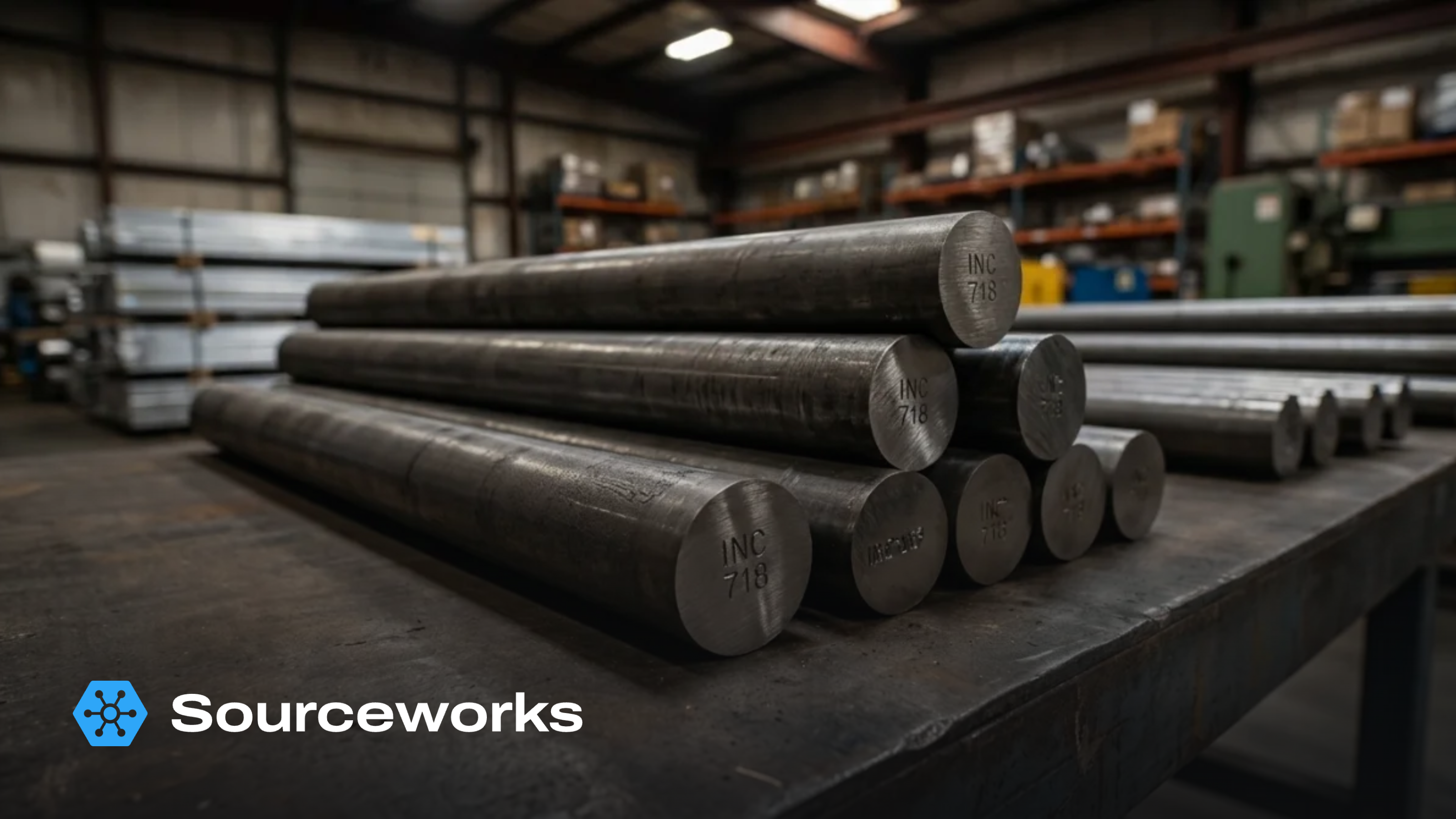
50% on full value for articles made entirely or almost entirely of steel, aluminum or copper. That's coil, sheet, plate, bar, tube, pipe, structurals. The stuff on the rack.
25% on full value for derivative articles substantially made of those metals. The line between a 50% article and a 25% derivative can be a single digit in the HTS code, so this is where buyers of finished and semi-finished parts need to check rather than assume.
15% through 2027 for certain metal-intensive industrial equipment and electrical grid equipment, expanded in June to include things like combines, bulldozers and forklifts from trade-deal countries.
10% for products made abroad but entirely from U.S.-melted-and-poured steel or U.S.-smelted-and-cast aluminum or copper, with the June action adding an 85% threshold for capital equipment.
Zero for products that are 15% or less steel, aluminum or copper by weight, provided they aren't classified in the raw-metal chapters (72, 73, 74, 76).
The two exceptions worth knowing: tariffs no longer stack across metals, so an article containing both steel and aluminum pays one Section 232 rate, not two. But Section 232 still stacks on top of Section 301 for Chinese-origin goods, which is why some imported Chinese steel products carry a combined rate well over 100%.
What changed in April
For a buyer of raw mill product, the headline rate didn't move. Bar was 50% before April and it's 50% after. What changed is underneath. Derivatives used to be tariffed on their metal content, which meant a lot of estimating; now they're a flat rate on full value, which is simpler and in many cases more expensive. The proclamation added a short list of new derivatives and removed or lowered tariffs on hundreds of others, including packaging-type items that had been swept in. And the petition process that let domestic producers nominate new derivatives for inclusion was replaced, though the Commerce Department proposed a fresh round of additions in August (heat exchanger parts, conductor cables, welding machine parts, trailers) with comments closing August 27.
So the practical change is less about the rate on a plate and more about predictability on everything else: finished parts, assemblies, and anything your customers import around you.
What it's done to sourcing
Here's our take. The biggest effect on a buying desk isn't the tariff itself. It's that origin became a pricing variable on every quote, and most RFQs don't ask about it.
Two sources can quote the same 4140 plate and be $900 apart because one is sitting on domestic melt bought in Q1 and the other brought in material at the new rate. Neither is wrong. But if your RFQ doesn't ask where it was melted, you'll see the spread and not know why, and you'll have no way to compare the next quote to this one. Mill certs have always told you the melt source. Now it changes the number.
The second effect is on who's long and who isn't. A 50% import rate pushes demand toward domestic mills and the service centers carrying domestic stock, which lengthens their queues and tends to widen the gap between the source that happens to have your item and the source that has to go get it. That spread was always there. It's bigger now, and it moves faster. The buyers who are doing well in this market aren't the ones with the best single relationship. They're the ones asking more sources, more often, and writing the origin into the RFQ so the answers compare.
Three things to do on the next RFQ
Ask for melt origin on the quote, not just on the cert after the fact. Ask for the price landed and tariff-inclusive, so you're not comparing an FOB-mill number against a delivered one. And send it to more sources than you did last year, because the thing you're trying to find, the one that bought right or is sitting on domestic melt, isn't always the one you called last time.
If you want the primary documents, the White House fact sheets from April 2, June 1 and July 20, 2026 are short and readable, and your customs broker will have the annexes with the HTS-level detail. We'll update this post if the rules move again, which they tend to.